How do public institutions – universities, schools, and local governments – understand and address truth-telling across Arctic and Australian contexts?
The problem
Recent Truth and Reconciliation Commissions across the Arctic – in Greenland, Canada, Norway, Finland, and Sweden – have placed new demands on public institutions to address histories of colonial injustice and strengthen Indigenous rights. Yet while truth-telling is now a major public and political priority across the region, little is known about how institutions understand and respond to these processes in practice.
The proposed research
This project examines how public institutions understand and address truth-telling across Arctic and Australian contexts. Bringing these regions into dialogue creates opportunities for comparative learning and exchange between societies grappling with contests over land, language, education, and ongoing debates about justice and responsibility. Through workshops, collaborative ethnography, and international knowledge exchange, the project investigates how universities, schools, and local governments interpret and respond to truth-telling processes in practice.
The intended impact
The research will strengthen collaboration between Australian and Nordic scholars working on historical justice, public policy and Indigenous rights. It will contribute new comparative knowledge about how institutions respond to truth-telling processes in advanced democracies. The project also aims to support future international research partnerships and inform wider public discussions about knowledge, education, and social change.
The research team
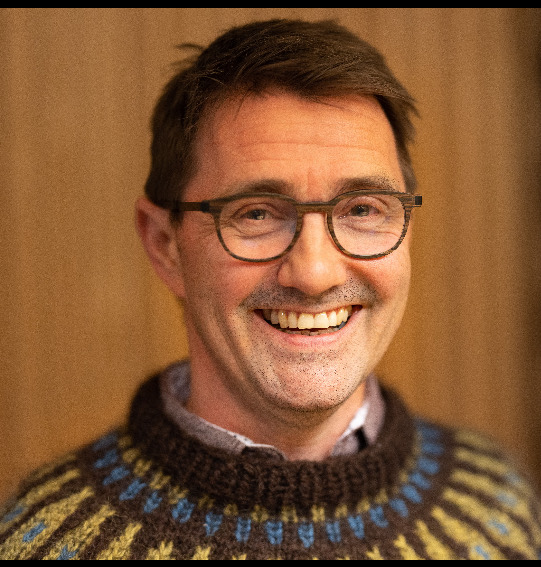
Prof Torjer A. Olsen
Head, Centre for Sámi Studies and Professor of Indigenous Studies, UiT The Arctic University of Norway
torjer.olsen@uit.no