Royal University of Bhutan Vice Chancellor visits Faculty of Education with a shared vision
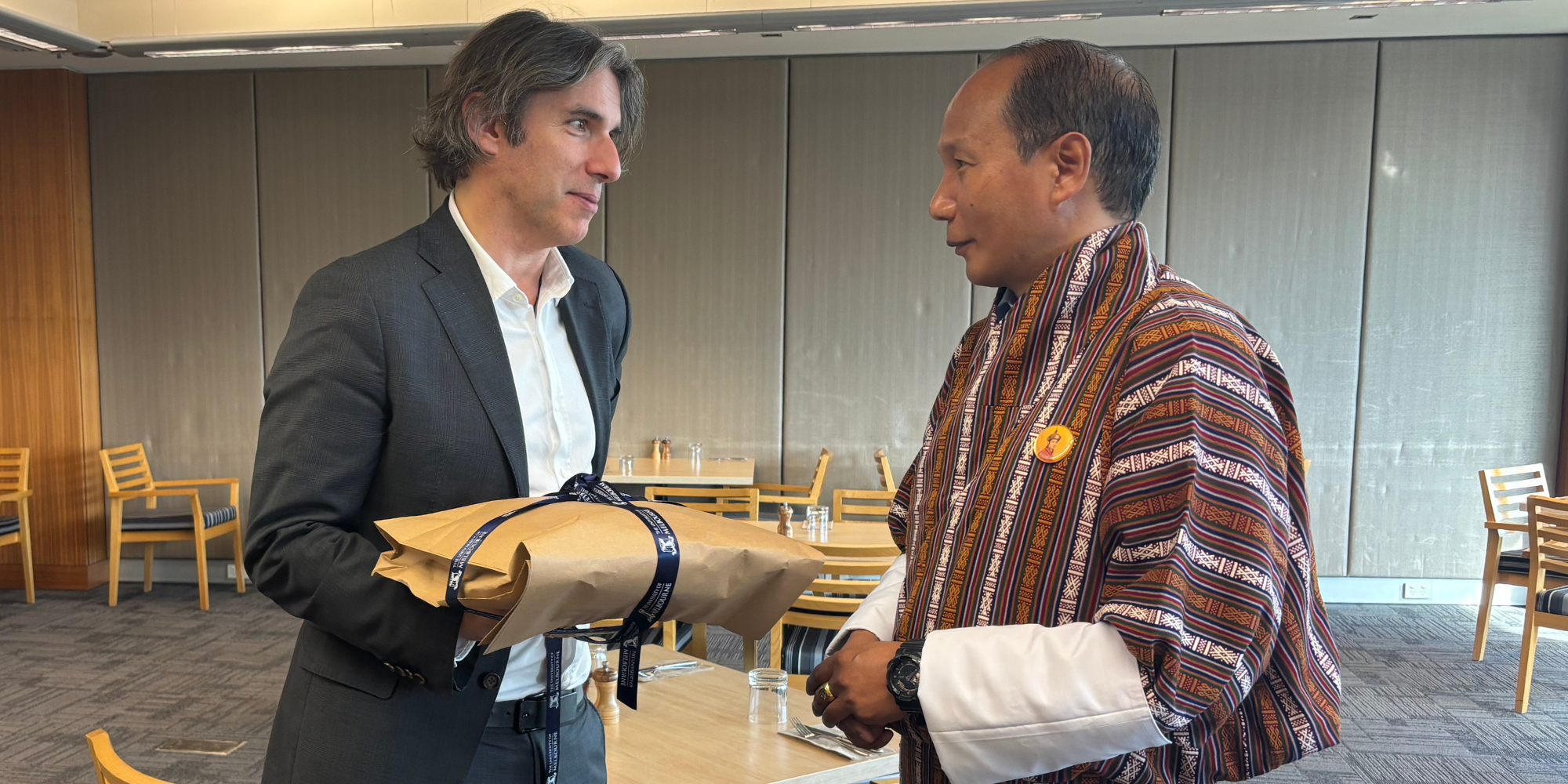
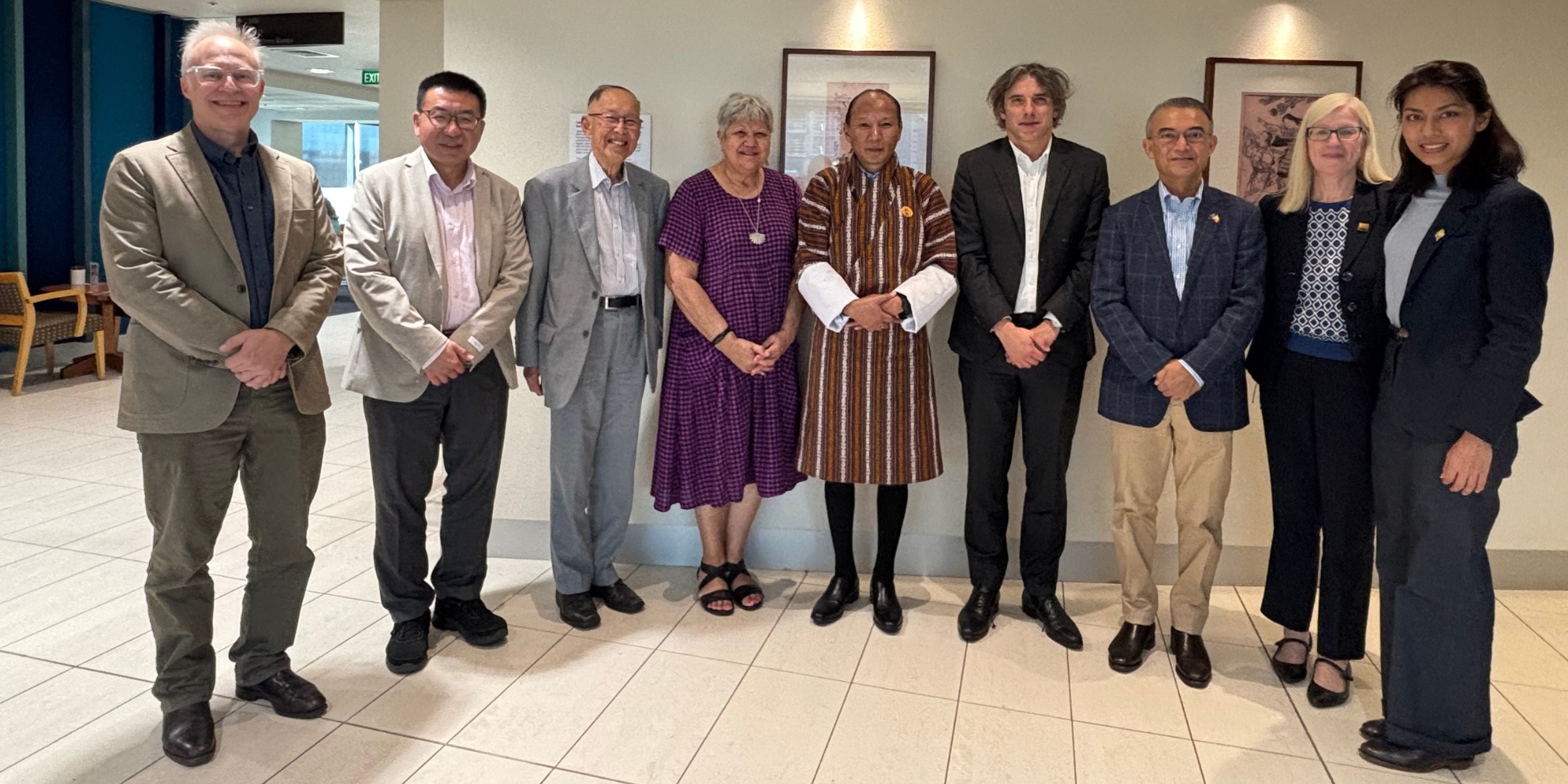
The Faculty of Education (FoE) welcomed Chewang Rinzin, Vice Chancellor of the Royal University of Bhutan (RUB), in a visit signalling a deepening global partnership grounded in shared commitments to wellbeing, inclusion, values-based education, and sustainability.
The visit built on a memorandum of understanding signed in June last year.
Professor Marek Tesar, Dean of FoE, said the visit marked an important step in moving from agreement to action.
“The partnership reflects a growing emphasis on international engagement that integrates diverse knowledge systems while maintaining a strong commitment to accessible, equitable education."
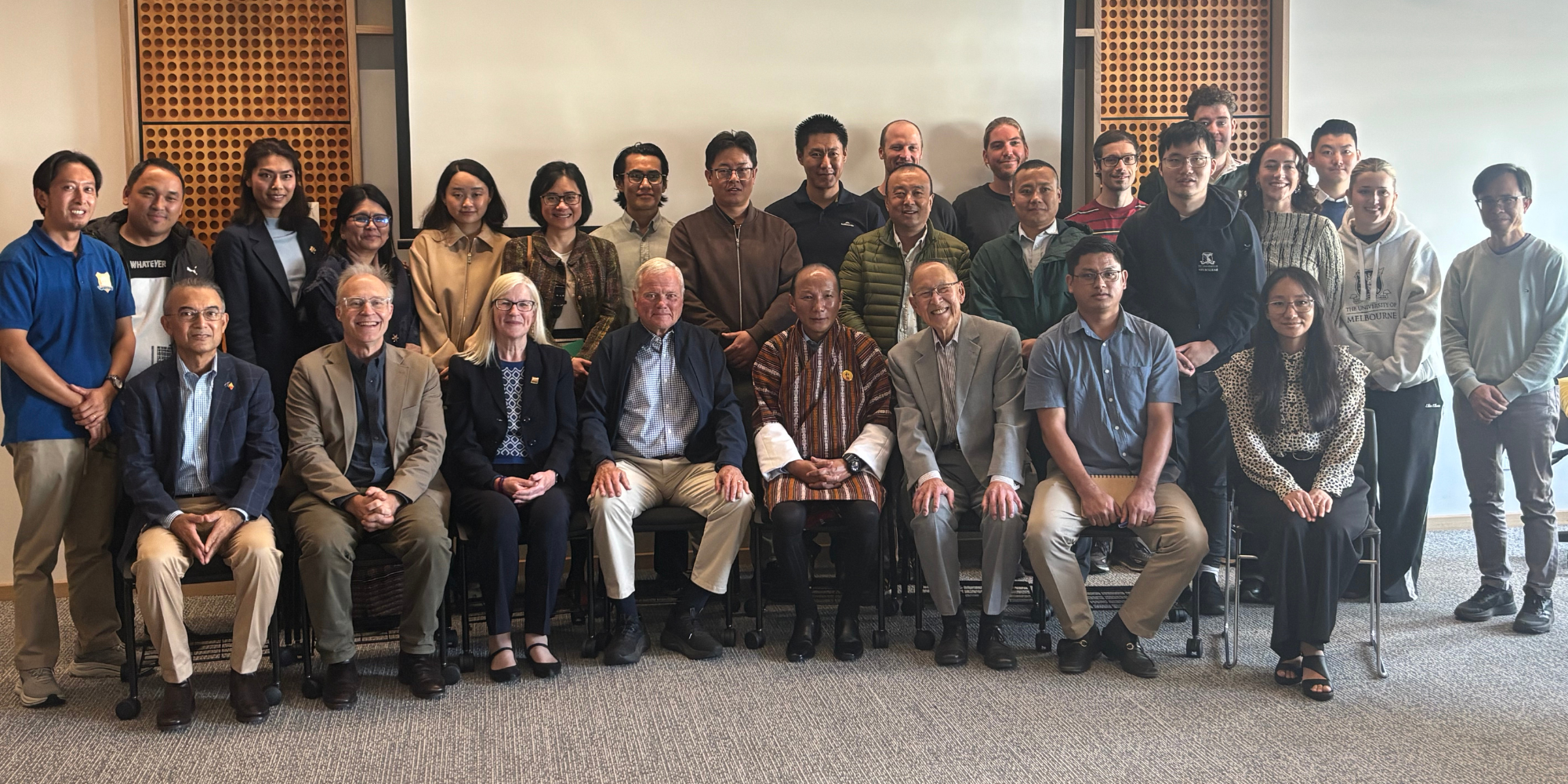
VC Rinzin’s lecture explored the distinctive philosophy and practice of education in Bhutan, especially the high value placed on teaching and learning as the cultivation of ethical, relational and mindful citizens.
A sizeable gathering included, Former Vice Chancellor and Dean of Education Professor Kwong Lee Dow, and faculty members from across the university. The VC’s address followed an earlier meeting with Pro Vice Chancellor International Professor Muthupandian Ashokkumar.
A commitment to Gross National Happiness guides pedagogy
Central to discussions was Bhutan’s globally recognised education philosophy, shaped by its commitment to Gross National Happiness. Bhutan’s approach integrates holistic wellbeing, environmental stewardship and contemplative practice into the purpose and design of education systems.
“You can have the best of educational infrastructure, but it means nothing without good teaching relationships,” says VC Rinzin. “The educator’s stories are the basis of compassion and material non-attachment. Love and kindness are central to the institution of teaching.”
Bhutan’s model offers integration of global standards with deeply local, culturally grounded values
“Bhutan was one of the last nations to transform to a democracy, to participate significantly in international markets, and to adopt modern communication technologies,” said FoE Lecturer Jefferson Kinsman. “Chewang’s stories captured this curious mix of being the last to change and the last to stay the same.”
At the tertiary level, RUB has introduced a four-year, non-assessed mindfulness and values curriculum for all students, an innovative wellbeing approach that challenges dominant models of assessment-driven higher education.
In Bhutan, school education is free and constitutionally protected, with significant government investment in scholarships for 70% of students, and international study pathways for 300-500 students who are referred to universities around the world.
VC Rinzin made it clear that his culture’s adoption of innovations from the outside world has led to new challenges. He speaks of the reforms being implemented to get more teachers trained to enhance STEM education and to respond to the advent of AI.
A shared vision for education’s purpose
These ideas resonate with urgent global debates about the purpose of education, particularly in the context of climate responsibility, technological disruption declining student wellbeing, and the purpose of education itself.
According to VC Rinzin, “Our vision of education is to create enlightened beings beyond the immediate subjects being studied. It is about intergenerational equity, which includes caring for a generation not even born yet.”
Bhutan’s system demonstrates how values-based education can remain open and equitable aligning with FoE’s commitment to widening participation and ensuring education remains both innovative and socially responsive.
Highlighted global opportunities for experiential and practice-based learning
In August, a small cohort of second year FoE Master of Teaching students will visit an education college in Samtse, Bhutan, as part of a Work Integrated Learning programme, engaging directly with classrooms shaped by these distinctive philosophies.
“These exchanges are expected to deepen cross-cultural understanding while informing new approaches to teacher education. They reflect our shared interest in education theory and philosophy, not only how education is delivered, but what it is ultimately for,” said Dr Annie Gowing, FoE Senior Lecturer, who has also been invited by the VC to attend RUB Foundation Celebrations in Bhutan’s capital Thimphu in June and has been the faculty lead on this partnership.
As both institutions continue to develop this relationship, the focus remains clear: to co-create educational approaches that are innovative, inclusive and deeply human, welcoming the new, while sustaining the values that make education meaningful and accessible to all.