Professor Gert Biesta calls for greater freedom and agency for teachers at UNESCO
What does it mean to stand with teachers in a rapidly changing world? For Professor Gert Biesta, University of Melbourne’s Faculty of Education’s Professorial Chair, the answer begins with recognising teachers not simply as implementers of education policy, but as professionals with the freedom, judgement and agency to shape education itself.
On 5 October, Professor Biesta will bring this perspective to UNESCO Headquarters in Paris, where he will deliver an invited keynote address, Teaching for Emancipation, as part of the global celebration of World Teachers’ Day.
The 2026 celebration marks the 60th anniversary of the 1966 ILO/UNESCO Recommendation concerning the Status of Teachers, an international framework recognising teachers’ rights and responsibilities, as well as the importance of their preparation, working conditions and professional status.
This year’s theme, Standing with teachers: 60 years of protecting the profession, advancing its status and shaping our futures, places the status and future of the teaching profession at the centre of global discussion.
Bringing together teachers, education ministers, policymakers, academics, young people and education organisations from around the world, the Paris celebration will explore the challenges facing the profession and what is needed to strengthen teachers’ recognition, voice and professional standing.
It is a particularly fitting setting for Professor Biesta, whose work has consistently challenged narrow understandings of what education is for and what it means to be a teacher.
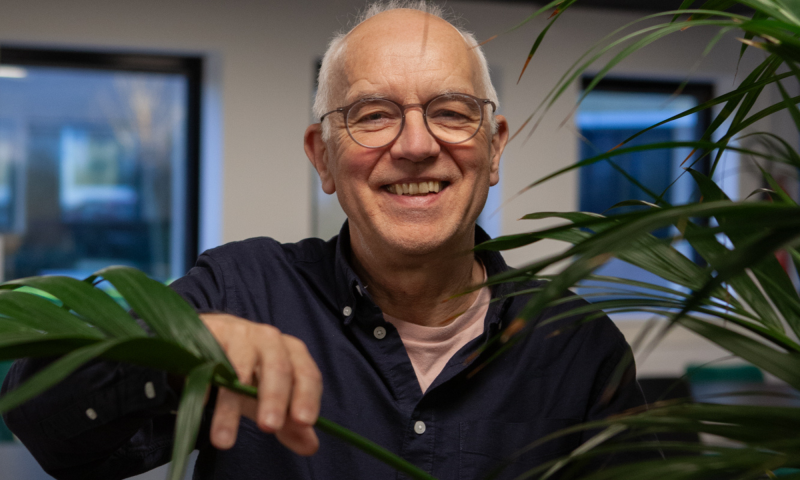
In his keynote, Professor Biesta will reclaim the emancipatory potential of education and explore the critical role teachers play in making that potential possible. He will also turn the idea of emancipation towards teachers themselves, arguing for the importance of teachers having the professional freedom and agency to exercise judgement in their work.
That question has become increasingly significant as education systems around the world respond to new demands, technologies and policy pressures.
For Professor Biesta, supporting teachers therefore means more than providing professional development or asking them to implement new approaches. It also means creating the conditions in which teachers can judge and act as professionals.
“Education should create possibilities for people to think, question and act for themselves, and teachers have a critical role in making this possible,” Professor Biesta says. “When policy leaves less room for professional judgement, agency and responsiveness, we risk narrowing what teaching can be.”
The keynote reflects a central strand of Gert’s scholarship: education is not simply about producing particular outcomes or transmitting predetermined knowledge and skills. It is also concerned with enabling people to be thoughtful, independent participants in the world.
This makes the question of teacher agency fundamental. If education is to contribute to human freedom, teachers themselves need space to exercise professional judgement rather than being reduced to the delivery of externally determined programmes, measures or prescriptions.
For the Faculty of Education, Professor Biesta’s invitation is an opportunity to bring scholarship from Melbourne into one of the world’s most significant conversations about the future of teaching.
“Professor Biesta brings an extraordinary depth of thought to questions that matter to educators everywhere: what education is for, what teachers need to flourish, and how education contributes to democratic life,” says Professor Marek Tesar, Dean of the Faculty of Education. “It is wonderful to see that scholarship being shared on an international stage at UNESCO. His presence in these conversations strengthens the connection between our Faculty in Melbourne and the wider global community of educators and scholars.”
Professor Biesta’s message is deliberately challenging: if we want teachers to help emancipate others, we also need to ask whether our education systems allow teachers the freedom to exercise their own professional judgement.