Celebrate NAIDOC Week with us in 2026
NAIDOC Week is an opportunity to celebrate the histories, cultures, achievements, and continuing contributions of Aboriginal and Torres Strait Islander peoples. We encourage you to take some time during the week to attend one or more of the many community-led events taking place across Melbourne.
Learn more about 2026 NAIDOC Week and the National NAIDOC Awards
Upcoming events
Whether you attend a community event, visit an exhibition, participate in a cultural activity, or simply take time to learn more about the significance of NAIDOC Week, we hope you'll take the opportunity to engage with and celebrate the richness and diversity of Aboriginal and Torres Strait Islander cultures.
- Fed Square NAIDOC Week Program – A week of performances, workshops, talks and cultural activities.
- National Gallery of Victoria (NGV) NAIDOC Week Celebration – Special programs and events celebrating Aboriginal and Torres Strait Islander art and culture.
- Mount Macedon/Geboor Cultural Walking Tours – Guided cultural walks exploring Country and Indigenous knowledge.
- ACMI – Mick Harding Micro Talks – Join Taungurung artist Mick Harding as he discusses Baan Biik Woora Woora (Water, Land and Sky), his five-screen animated welcome artwork installed in the ACMI Fed Square foyer.
- NAIDOC Week Family Day – Maribyrnong – A community celebration featuring performances, activities and cultural experiences.
- Aboriginal Housing Victoria NAIDOC Family Day – A family-friendly day celebrating culture and community.
- 'Water Bodies' Exhibition – Kingston Arts – An exhibition featuring contemporary Aboriginal and Torres Strait Islander artists.
- Gunawarra Re-Creation – Melbourne Theatre Company – A powerful theatre production presented during NAIDOC Week.
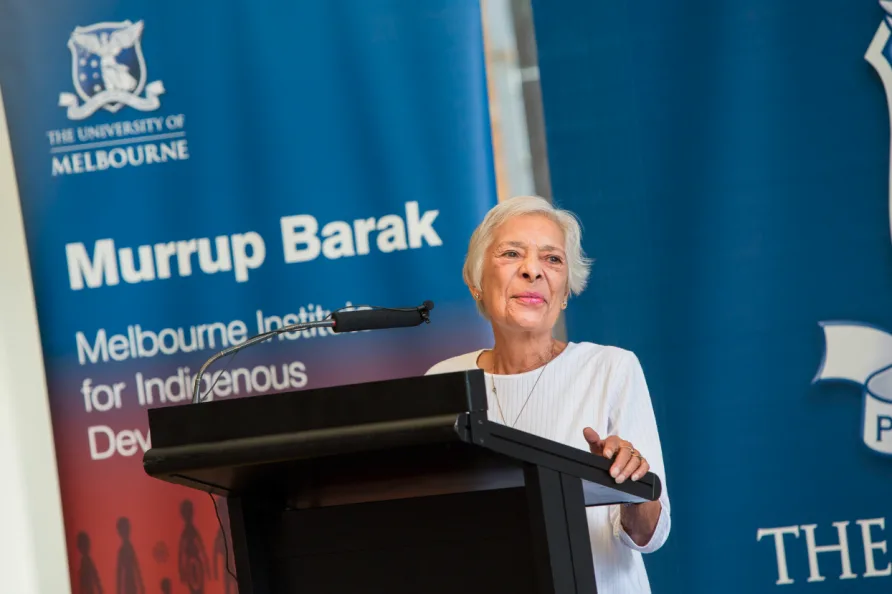
Our legacy
The Faculty of Education’s connection to Indigenous knowledge includes the legacy of Dr Margaret Williams-Weir (1940-2015). Dr Williams-Weir was a descendant of the Gumbaynggirr and Malera peoples of northern NSW. She was the first Indigenous Australian and the first Indigenous woman to graduate with a university qualification in Australia. In 1959 Margaret completed a Diploma of Physical Education in a previous iteration of the Faculty of Education. She went on to complete a Bachelor of Education, a masters degree (with honours), and a doctorate.
As we celebrate NAIDOC Week, we reaffirm our commitment to ensuring Indigenous knowledge is embedded and visible in all our teaching, research and learning activities.
Our community
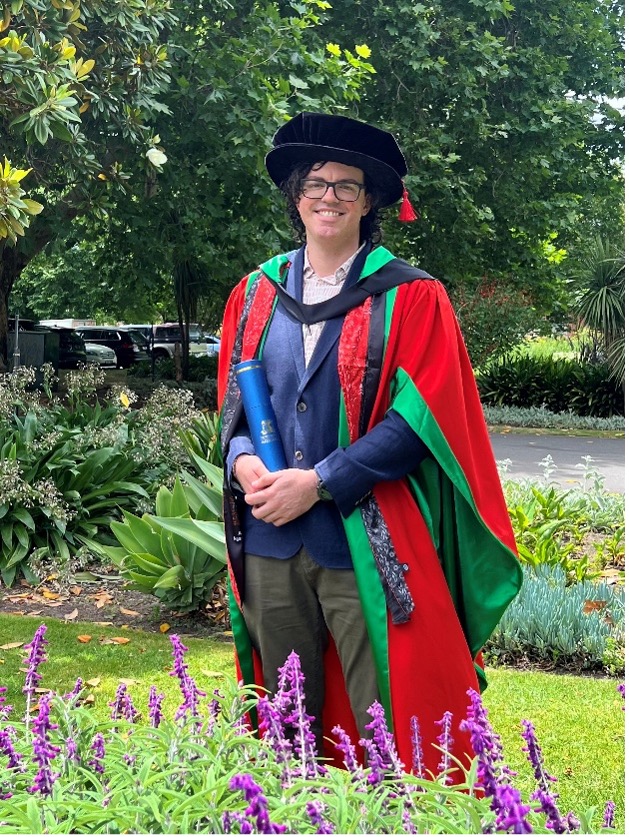
Justin Wilkey
Justin is a Ngarrindjeri man who grew up on the unceded lands of the Kaurna Peoples in Kaurna Yerta (Adelaide). Following the completion of his PhD in 2025, Justin joined the Faculty of Education full-time as a Lecturer in Indigenous Education at the University of Melbourne. His teaching and research focus explores Indigenous education, equity, social justice, and the wellbeing of Aboriginal and Torres Strait Islander learners.
His doctoral research explored the social and emotional wellbeing of Aboriginal students attending boarding schools in South Australia, and he is preparing papers to publish from this work. Justin is co-coordinator of the Professional Certificate in Indigenous Research and the Graduate Certificate in Indigenous Research and Leadership and previously taught and coordinated First Nations in Education in the Master of Teaching program.
In 2026, he is undertaking a Churchill dual Fellowship, investigating the role of truth-telling in decolonising education and its impact on the educational and wellbeing experiences and outcomes of Indigenous learners.
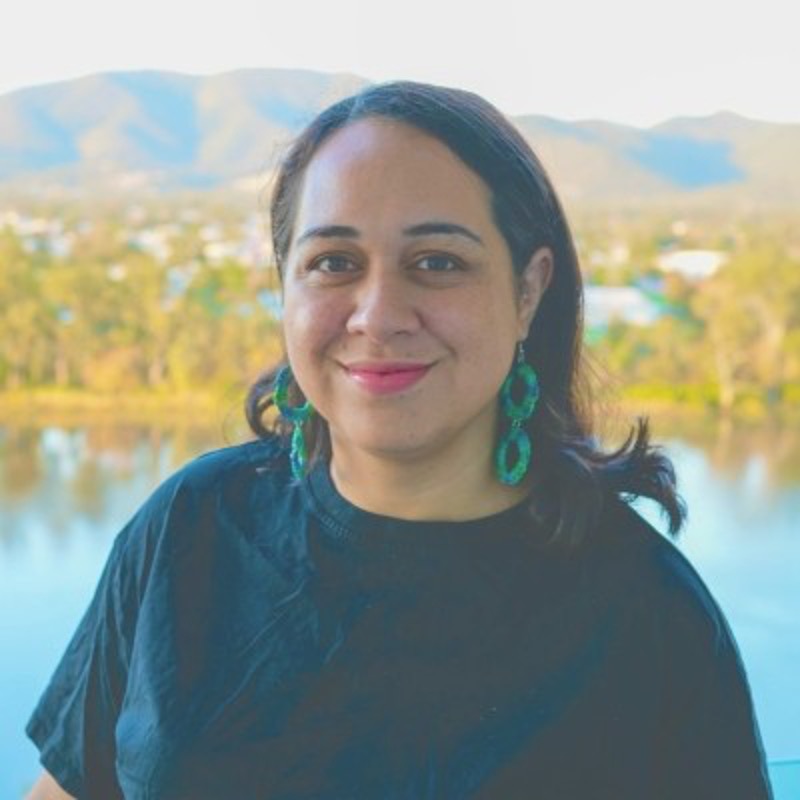
Hayley McQuire
Hayley is a Darumbal and South Sea Islander woman born and raised in Rockhampton Central Queensland. She is the co-founder and CEO of the National Indigenous Youth Education Coalition, a growing collective that backs and supports young people to reclaim and regenerate our learning systems. She is also the Co-Chair of Learning Creates Australia and holds a number of board positions for non-profit organisations. She believes relationships are essential to any change movement and finds joy in bringing together diverse and different collectives to rethink education.
Following her completion of the Master of Social Change Leadership at the Faculty of Education, Hayley is creating spaces for Aboriginal and Torres Strait Islander young people to have critical discussions about their future and the types of systems we need to self-determine our own futures.