Breakthrough MRFF grant positions education at the forefront of autism research innovation
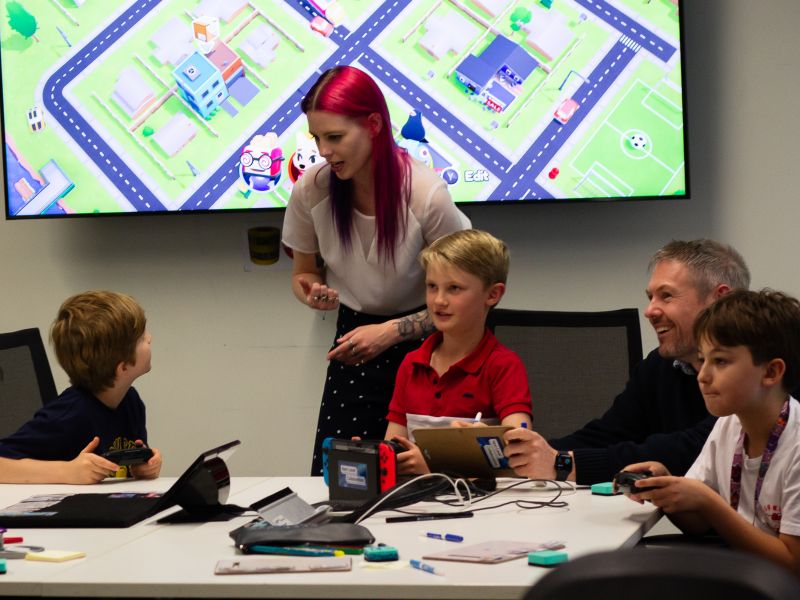
A landmark grant from the Medical Research Future Fund (MRFF) is set to transform how autistic young people are supported in schools marking a major shift away from deficit-based models toward strength-based, neuro-affirming education.
Led by Associate Professor Matt Harrison at the University of Melbourne’s Faculty of Education, the project is the first of its kind in Australia to be awarded to a Faculty of Education team breaking new ground in a funding scheme traditionally dominated by medical and clinical research.
“This is a pivotal moment,” said Harrison. “Historically, autism research funded through schemes like MRFF has focused on diagnosis, treatment, or cure. Our work flips that script. This is about building environments where autistic young people can thrive on their own terms.”
The project will expand and independently evaluate a pioneering program, Next Level Collaboration, across 10 specialist schools operated by Autism Spectrum Australia (Aspect). The program uses collaborative gaming as a tool to build social connection, communication, and confidence co-designed with autistic children aged 8-12.
“This isn’t about reducing screen time, it’s about rethinking screen use,” Harrison said. “We’re showing how digital spaces can foster belonging, friendship and skill-building, particularly for young people who are often excluded from traditional social environments.”
The MRFF grant will fund a rigorous external evaluation of the program’s impact, addressing longstanding calls for evidence-based approaches in neurodiversity education.
Crucially, the research is neurodivergent led, with a majority neurodivergent research team and strong partnerships across academia and the autism community. This includes collaboration with researchers and practitioners embedded within Aspect schools, ensuring real-world impact from the outset.
The timing is significant. Amid growing public debate around screen use, social media restrictions, and youth wellbeing, the project offers a timely and constructive alternative.
“There’s a lot of fear-based discourse right now,” Harrison said. “What we’re offering is evidence-informed optimism. Technology isn’t the problem - it’s how we use it. When designed well, it can be a powerful tool for inclusion.”
The research team hopes the findings will inform education policy and practice nationally and globally providing a scalable model for strength-based, inclusive learning.