Disability inclusion

Universal Design for Learning training
UDL is a planning framework that focuses on making the curriculum accessible to all learners by examining the barriers that might occur in the delivery of teaching and learning activities before teaching commences. This avoids retrofitting, or changing instruction at the point of delivery which can impact the delivery of teaching and learning activities to diverse learners. While UDL was originally developed for learners with disability, it is now a framework used to support the needs of all learners in an educational setting. The UDL framework is organised around three principles, multiple means of engagement, representation, and action and expression. When planning, goals are examined to ensure they are accessible for all learners and assessments are developed to ensure all learners are being evaluated on what they know. UDL also advocates the use of a range of materials and methods to address a wide range of learning needs.
An e-Learning program is designed for educational staff working in Higher Education and the Vocational Education and Training sector. It focuses on Universal Design for Learning (UDL) in tertiary education. It aims to increase your understanding of designing, developing and implementing UDL within your teaching practice.
The link below will take you to the ADCET CAST training course. A bespoke FoE course focusing on tertiary teaching is available for those working at University of Melbourne.
Celebrating Research into Disability
Premiered on 3 December 2024, on International Day of Disabled Persons this video project features stories from University of Melbourne staff and students who have lived experience of Disability or work on Disability related research and contribute to a more inclusive world. Meet some of the inspiring people across the University’s faculties in this engaging video.
University initiatives
Disability Inclusion Action Plan
The University Disability Inclusion Action Plan (DIAP) outlines a three-year program of activities seeking to reduce and remove barriers experienced by staff and students with disability or primary carers of people with disability. [staff login required]
Read about the Disability Inclusion Action Plan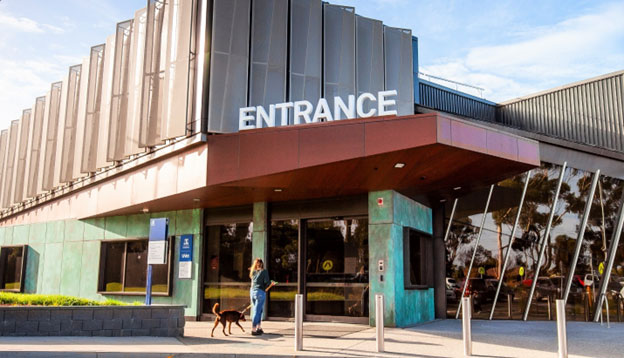
University disability services
The University of Melbourne recognises disability in accordance with the Disability Discrimination Act 1992. For eligible students, the university may provide ongoing support with your studies.
Discover disability services
Melbourne Disability Institute
Melbourne Disability Institute (MDI) facilitates collaborative, interdisciplinary research to build the evidence base needed to guide social and disability policy reforms and to advance opportunity and equity for people with disability, their families and carer.
Visit the Melbourne Disability Institute website
UMSU Disabilities Department
UMSU Disabilities department provides a space for students living with or experiencing a disability (including mental health). This department helps students empower themselves through education via disabilities space, collectives, workshops, community events, and more.
Visit the UMSU Disabilities DepartmentUniversity resources
-
Support services
Explore available support for students and staff with disabilities.
-
Campus access
Access resources for navigating and using campus facilities.
-
Inclusive workspace
Find resources for creating and maintaining an inclusive workplace.
-
Advocacy networks
Join disability-focused advocacy groups and support networks.
-
Neurodivergent support
Find resources supporting neurodivergent individuals.
-
Legal rights
Understand your legal rights under Australian laws.
-
Grants and Awards
Find funding and awards supporting diversity and inclusion efforts.
Useful links
Web accessibility guides for students and staff
National disability rights, advocacy and representative organisation made up of, led and governed by people with disability
Disability service provider offering a range of services from therapy to accommodation support, communication support and research
National not-for-profit that helps organisations engage with people with disability
Training
Introduction to disability awareness
Disability Awareness Training describes the legislative framework supporting people with disability in Australia and aims to provide an overall understanding of why disability inclusion is important in the workplace. It also provides an insight into the challenges faced by people with disability and practical strategies to create awareness about the lived experiences of students and staff with disability.
Staff can enrol on TrainMe, and students can email the Student Equity and Disability Support Team to find out about study support and adjustments.
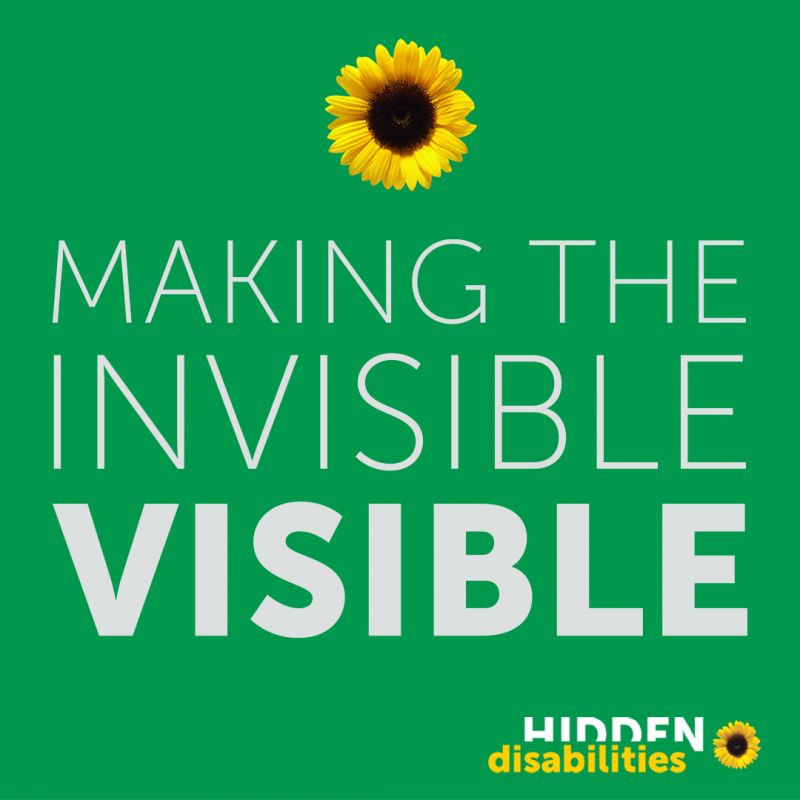
Sunflower Hidden Disabilities Initiative
The Hidden Disabilities Sunflower initiative, is being launched in the Faculty of Education and Faculty of Business and Economics, which aims to support individuals with hidden disabilities. This initiative allows those with non-visible conditions to discreetly signal that they may need additional support or understanding.
In Australia and New Zealand, one in five people have some form of disability, with approximately 80-85% being non-visible. Hidden disabilities range from autism spectrum disorder, dementia, and brain injuries to mental health issues, intellectual disabilities, vision and hearing impairments, and chronic illnesses. Because hidden disabilities are not easily noticeable, those who have them often face misunderstanding, judgement and a lack of support. Raising awareness can help break down these barriers, encouraging empathy and creating more inclusive environments. By learning to recognise that someone may be struggling even when it isn’t obvious, we can foster a culture of understanding and respect. Training will soon be available.
Governance
The University's diversity and inclusion efforts are guided by comprehensive policies, strategies and action plans designed to create a more inclusive and equitable academic environment.
-
The Disability Inclusion Action Plan (DIAP) 2023–2026 reflects the University’s commitment to ensuring students, staff, and visitors with disabilities have access to the support, resources, and opportunities they need to thrive.